Mullite Brick
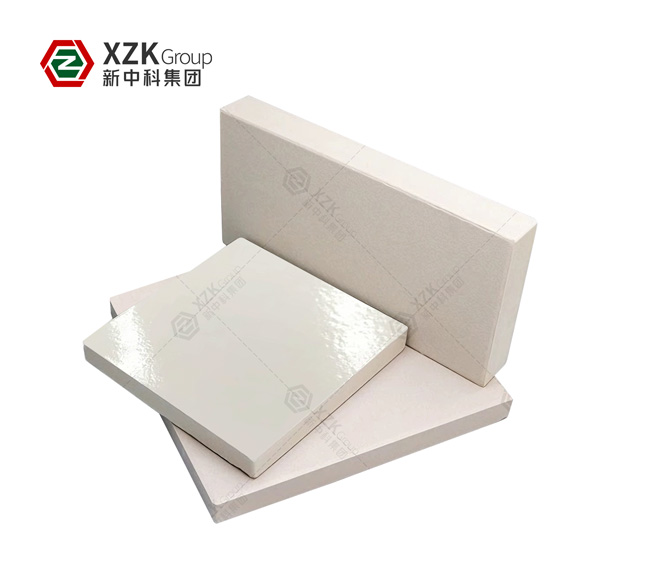
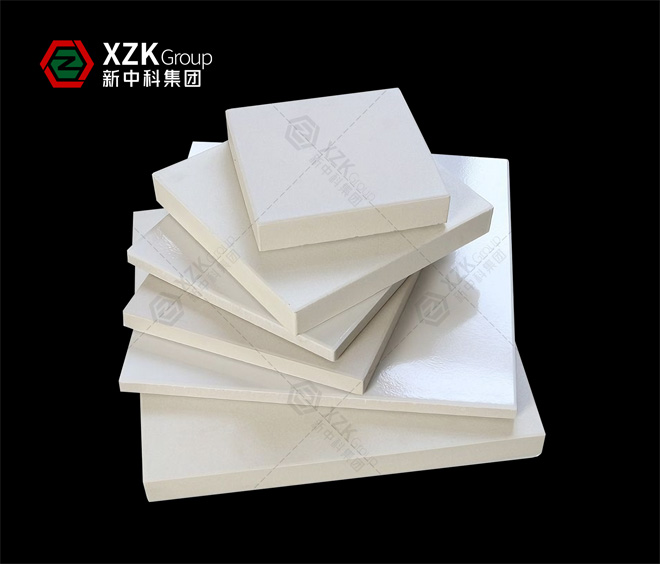
Sintered mullite bricks with 65-70% Al2O3 for glass furnace regenerator checkerwork, rider arches and forehearth covers. Low creep under load and refractoriness up to 1700C. Grades XZK-ML70-A, XZK-ML70-B and XZK-ML65-C.
Mullite bricks are refractories whose crystal structure is dominated by mullite (3Al2O3·2SiO2), a phase that is prized for one property above all others: it does not deform under load. In a glass furnace regenerator, where hundreds of tonnes of checkerwork press down on the bottom courses for years, that resistance to creep is what keeps the structure standing.
XZK Group manufactures sintered mullite bricks in grades XZK-ML70-A and XZK-ML70-B (machine pressed) and XZK-ML65-C (cast block), from our Xinmi plant in Henan. They are used in regenerator checkerwork, rider arches, forehearth covers and high-temperature structural positions across glass, steel and ceramic industries.
Creep — slow plastic deformation under sustained load at high temperature — is the mechanism that ends the life of structural refractories. A brick that sags by a few millimetres per year closes joints and distorts a lining; a hanging wall that creeps eventually drops brick. Mullite's interlocking needle-like crystal structure resists this deformation far better than fireclay or high-alumina bodies:
| Technical Properties | XZK-ML70-A (Pressed) | XZK-ML70-B (Pressed) | XZK-ML65-C (Cast Large) |
| Al₂O₃ (%) | ≥ 70 | ≥ 70 | ≥ 65 |
| Fe₂O₃ (%) | ≤ 1.2 | ≤ 0.2 | ≤ 0.8 |
| Bulk Density (g/cm³) | ≥ 2.55 | ≥ 2.65 | ≥ 2.50 |
| Apparent Porosity (%) | ≤ 18 | ≤ 17 | ≤ 17 |
| Cold Crushing Strength (MPa) | ≥ 80 | ≥ 80 | ≥ 75 |
| Refractoriness Under Load (0.2MPa, ℃) | ≥ 1620 | ≥ 1700 | ≥ 1600 |
For floors and walls that see significant sand dust carry-over, andalusite bricks and sillimanite bricks offer complementary performance in the same regenerator. Where alkali attack dominates, chrome corundum bricks are the better choice for the hot and condensation zones. Mullite insulating bricks handle the thermal insulation layer behind them.
Mullite's role in a glass tank is structural. It carries load and holds shape while other materials handle direct corrosion.
Mullite bricks are produced by high-temperature sintering from high-purity mullite and alumina raw materials, on CNC presses of 630 to 2000 tonnes. Firing runs through four 108-metre fully automatic tunnel kilns and five ultra-high-temperature shuttle kilns, giving uniform soak and predictable densification. Every batch is tested for bulk density, apparent porosity, cold crushing strength and refractoriness under load, and ships with a certificate of analysis.
XZK Group holds ISO 9001, ISO 14001, ISO 45001 and ISO 50001 certification and is recognised as a National High-Tech Enterprise. We operate the Henan Provincial Engineering Technology Research Centre for Sintered Refractories for Glass Furnaces and have contributed to industry standards including JC/T 2574-2020 (Sillimanite bricks for glass furnaces).
Mullite bricks are supplied as part of a complete regenerator package, together with sillimanite bricks, andalusite bricks, chrome corundum bricks, low porosity fire clay bricks and mullite insulating bricks. See the mullite bricks range for zoning guidance or browse all refractory products.

WeChat ID: +86 190 5961 2888