

Monolithic Refractories
Where brick cannot go — castables, ramming masses and mortars for complex geometry, bottom sealing and rapid repair.
A glass furnace lining is not built entirely from brick. The joints between bricks, the irregular geometry around a throat, the sealing layer under bottom paving, and every repair during a campaign — all of these are monolithic work. Monolithic refractories are the materials that make a brick lining into a continuous, sealed system.
XZK Group manufactures a full range of unshaped refractories from our Xinmi plant in Henan: high alumina, silicon carbide, lightweight mullite and insulating castables, zircon and AZS ramming masses for bottom sealing, and high-strength refractory mortars and cements for brickwork.
Because these materials are shaped on site rather than in a mould, they solve the problems brick cannot: complex geometry, tightly controlled joints, and rapid repair without waiting for a brick order.
What Are Monolithic Refractories?
Monolithic — or unshaped — refractories are supplied as powders or mixes rather than as formed bricks, and are installed by casting, ramming, gunning or trowelling. Once in place and fired, they form a seamless refractory body.
The absence of joints is the defining advantage. In a brick lining, joints are the weak path: melt penetrates them, erosion accelerates along them, and most lining failures begin at a joint rather than in a brick. A monolithic layer has no joints to leak.
Where monolithics earn their place in a glass furnace
Three situations call for monolithic refractories: sealing layers beneath bottom paving, where the geometry between bricks must be completely closed; complex shapes such as throats and burner surrounds that cannot be pressed or cast as brick; and repair work during a campaign, where a mix can be installed in hours against the days or weeks a brick order would take.
Types and Grades of Monolithic Refractories
Four families cover glass furnace monolithic work: castables for shaped installation, ramming masses for sealing and packing, mortars for brickwork joints, and cements for specialised bonding.
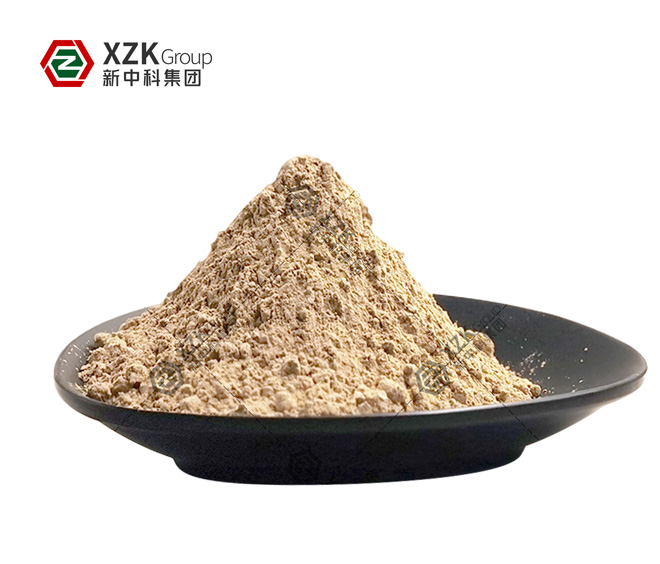
General castable
High Alumina Castable
XZK high alumina castables
The workhorse castable for general furnace lining, burner surrounds and complex geometry. Installed by casting into formwork or by gunning, with strength developing through hydraulic setting followed by firing.
High alumina base · cast or gunned · for general high-temperature lining work
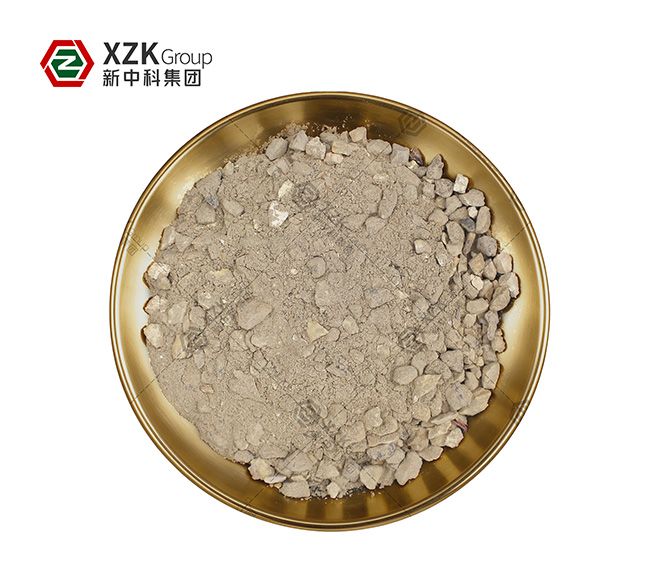
Thermal insulation
Insulating Castable
XZK insulating castables
Lightweight castable for insulation layers, crown backing and complex insulated geometry. Delivers the same thermal performance as insulating brick where a brick shape is impractical.
Low thermal conductivity · lightweight aggregate · crown and backing insulation
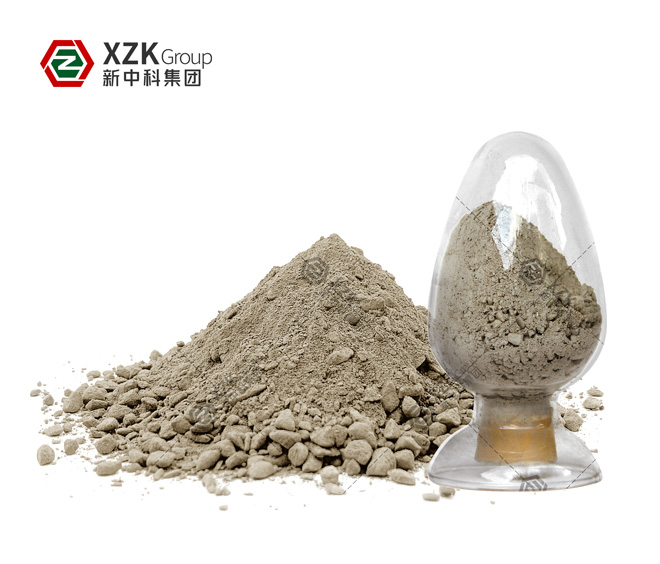
Abrasion resistance
Silicon Carbide Castable
XZK SiC castables
Silicon carbide additions raise abrasion resistance and thermal shock tolerance well above plain alumina castables. Used where mechanical wear accompanies high temperature.
SiC-bearing · high abrasion resistance · thermal shock tolerant
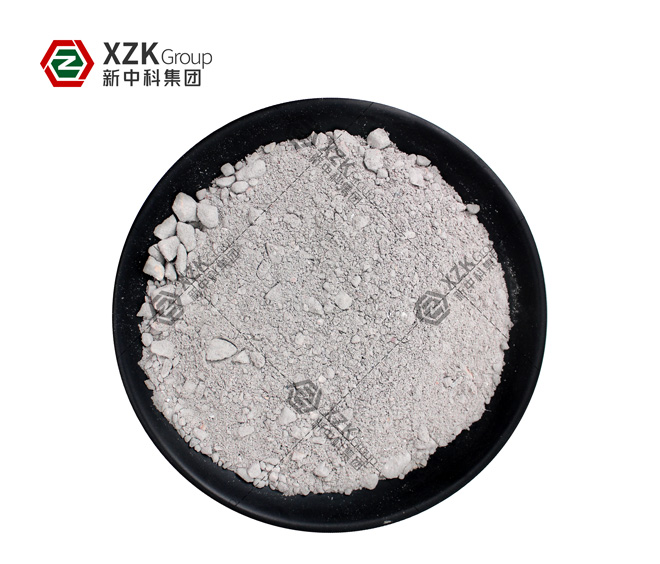
Lightweight structural
Lightweight Mullite Castable
XZK lightweight mullite castables
Mullite-based lightweight castable combining moderate strength with good insulation. Used where a structure needs both load bearing and thermal protection without the mass of dense material.
Mullite base · low density · structural insulation
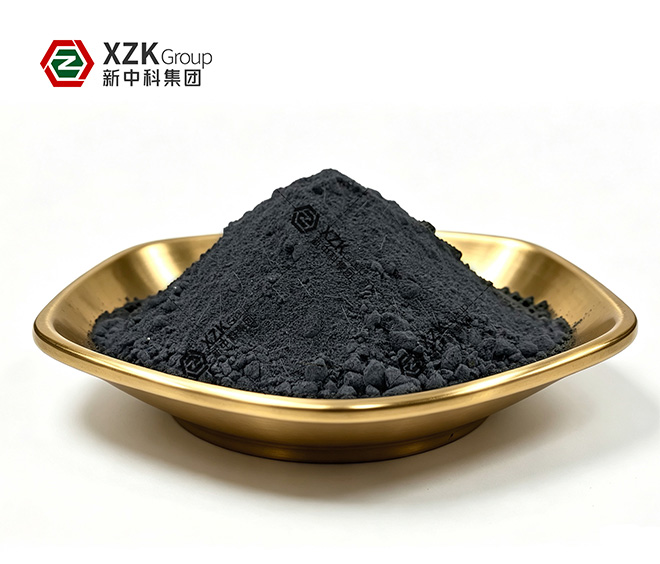
Bottom sealing · zircon
Zircon Ramming Mass
XZK-RM-ZR
The primary sealing material beneath glass furnace bottom paving. High zirconia content and density make it an effective barrier against melt penetration and upward drilling.
ZrO2 ≥ 63% · Density ≥ 3.3 g/cm3 · CCS ≥ 50 MPa at 1200°C
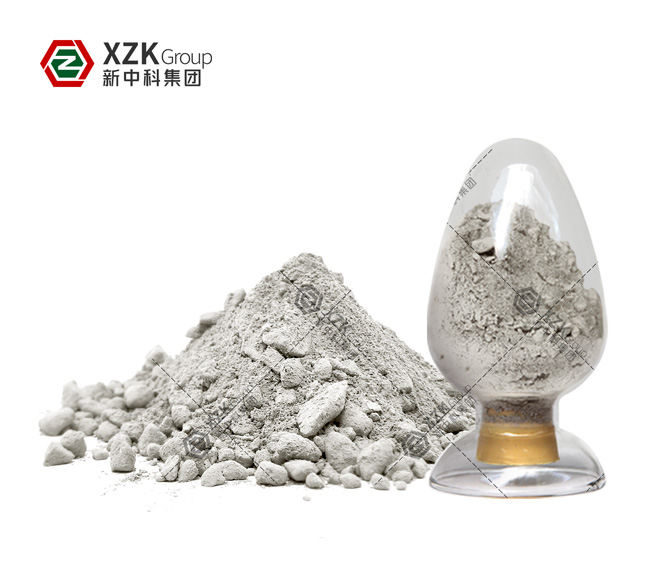
Bottom sealing · AZS
AZS Ramming Mass
XZK-RM-AZS
AZS-based ramming mix for sub-layers and positions where AZS chemistry is required. Works with zircon ramming mass to complete the bottom barrier system.
ZrO2 ≥ 30% · Al2O3 ≥ 50% · Density ≥ 2.85 g/cm3
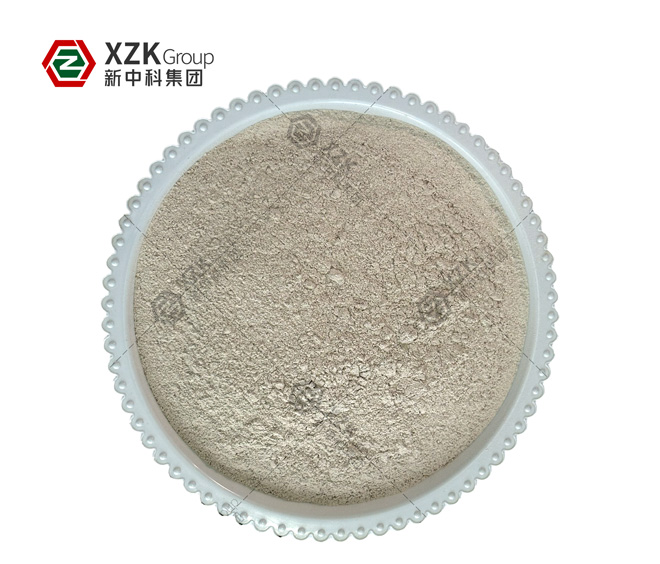
Brickwork bonding
ZKM High-Strength Mortar
XZK-ZKM1 · ZKM2
High-strength refractory mortar for brickwork joints. Bond strength and operating temperature are matched to the brick being laid — a mortar that fails before the brick does is a weak link in an otherwise sound lining.
Al2O3 ≥ 46–60% · Operating temp. 1300–1500°C · Bond strength ≥ 3.8–4.5 MPa
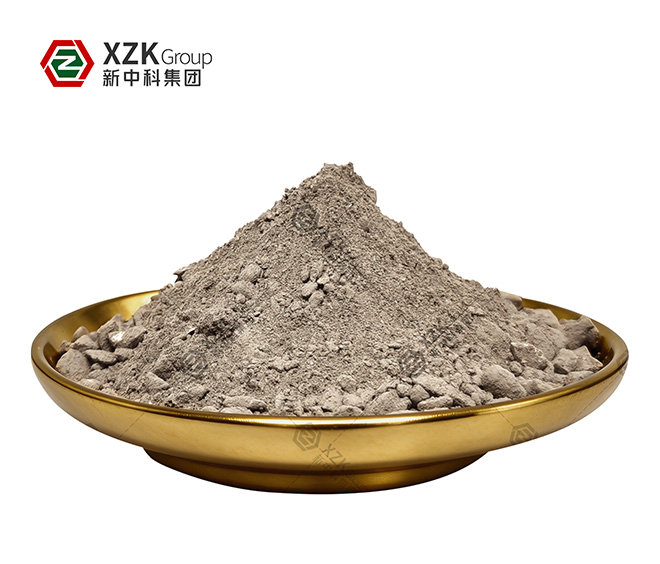
Specialised bonding
Refractory Cement and Mortar
XZK cement and mortar range
Cements and mortars for specific brick types and service conditions, including phosphate and silicate bonded systems. Correct selection is what keeps a brick lining tight at temperature.
Range matched to brick type and service temperature.
Technical Specifications
Monolithic performance is measured after firing, not as supplied. The figures below are the post-firing values that determine service behaviour.
Ramming masses for bottom sealing
| Property | XZK-RM-AZS (AZS Mass) | XZK-RM-ZR (Zircon Mass) |
|---|---|---|
| ZrO2 (%) | ≥ 30 | ≥ 63 |
| Al2O3 (%) | ≥ 50 | — |
| Bulk density (g/cm3) | ≥ 2.85 | ≥ 3.3 |
| Compressive strength at 110°C (MPa) | ≥ 20 | ≥ 20 |
| Compressive strength at 1200°C (MPa) | ≥ 40 | ≥ 50 |
| Maximum particle size (mm) | 5 | 5 |
Refractory mortars and cements
| Property | XZK-ZKM1 | XZK-ZKM2 |
|---|---|---|
| Al2O3 (%) | ≥ 46 | ≥ 60 |
| Fe2O3 (%) | ≤ 1.0 | ≤ 0.7 |
| Operating temperature (°C) | 1300 | 1500 |
| Flexural bond strength (MPa) | ≥ 3.8 | ≥ 4.5 |
Castable grades are supplied to specification for each application; contact our engineers for the correct grade, water addition and curing schedule. Test methods follow GB/T and ISO practice.
Where Monolithic Refractories Are Used in a Glass Furnace
Monolithics appear wherever brick cannot do the job — whether because of geometry, because a seal is needed, or because time does not allow a brick order.
Tank bottom sealing layer
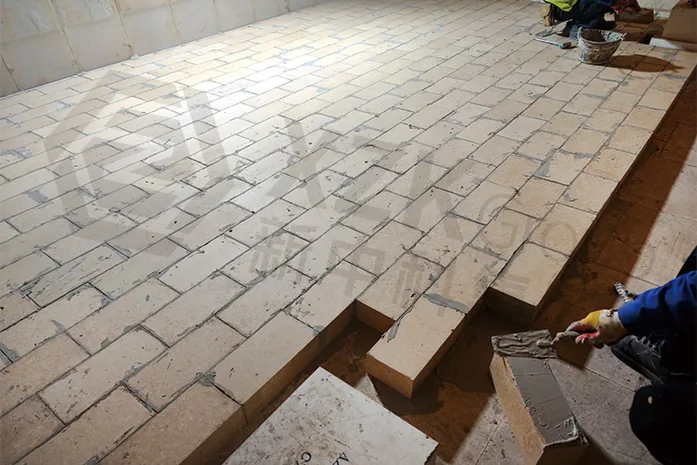
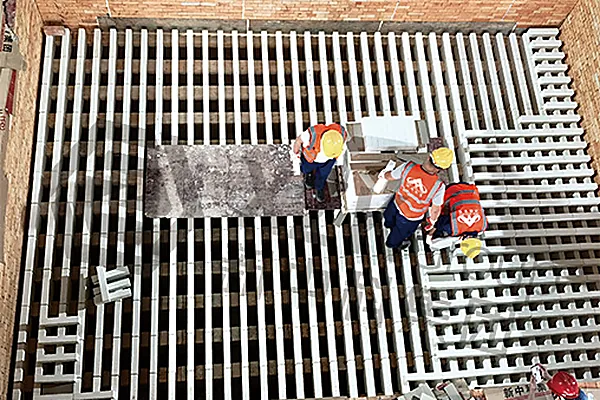
Beneath the bottom paving, ramming mass forms the barrier that stops melt penetration at the joints between paving blocks. This is the single most important monolithic application in a glass furnace: it is the layer that prevents a worn lining from becoming a glass leak. Zircon ramming mass is used for maximum barrier performance, AZS ramming mass where AZS chemistry is specified.
Typical grades: XZK-RM-ZR, XZK-RM-AZS
Complex geometry — throats, burner surrounds, port necks
Some positions require shapes that cannot be pressed or economically cast as brick: irregular transitions, burner surrounds and repair patches. Castables and mouldable mixes are formed in place, giving a seamless body with no joints to erode.
Typical grades: XZK high alumina castables, SiC castables for high-wear positions
Crown backing and insulation layers
Over a crown, or around complex insulated geometry, insulating castables deliver the same thermal performance as insulating brick without requiring a brick shape. Applied in layers behind a dense sealing layer to achieve the target heat flux.
Typical grades: XZK insulating castables, lightweight mullite castables
Brickwork joints and bonding
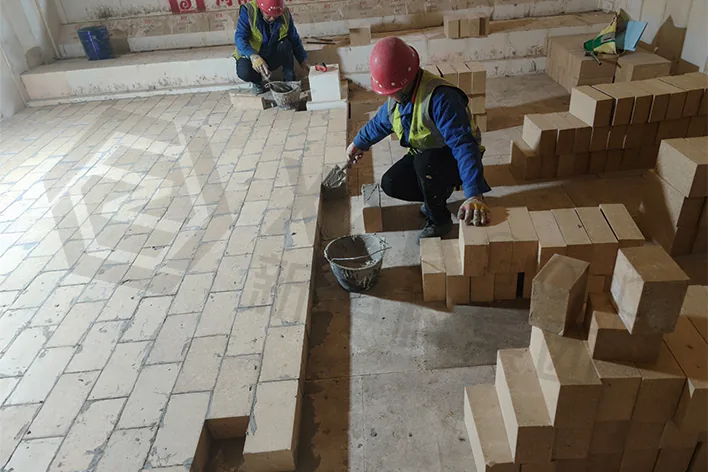
Every brick lining depends on its mortar. A mortar whose bond strength or temperature rating falls below the brick it is laying becomes the weak point of the whole structure. Mortar selection is matched to brick type and service temperature.
Typical grades: XZK-ZKM1 (to 1300°C), XZK-ZKM2 (to 1500°C), refractory cements
Suspended walls and hangers
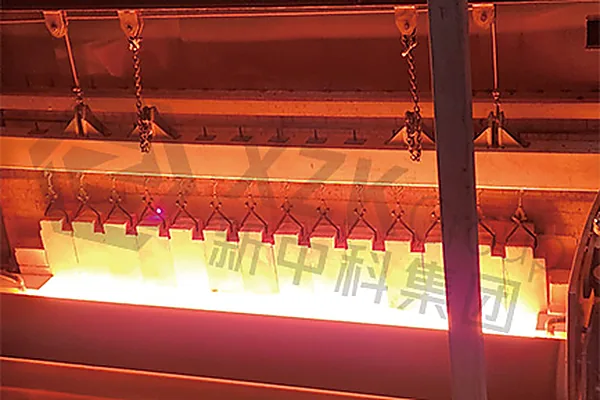
Where a suspended structure requires a seal around hangers and supports, mouldable and castable materials fill the gaps that brick geometry leaves. This protects the hanger from hot gas bypass and localised overheating.
Typical grades: High alumina castables, mullite castables
Emergency repair during a campaign
When a hot spot appears mid-campaign, a repair mix can be installed in hours while a brick order would take weeks. We hold stock of common repair mixes for short-notice delivery, which is often the difference between a scheduled repair and an unplanned shutdown.
Typical grades: Repair castables and gunning mixes, emergency stock held
On Site — Monolithics and Joint Work
Castables, ramming masses and mortars are what hold a brick lining together. These photographs show the tank bottom paving and the support structures where they do it.
Why Monolithic Linings Fail — and How to Prevent It
Monolithics fail for different reasons than brick. Installation quality, water addition and curing control determine performance as much as the material specification does.
How to Select the Right Monolithic Refractory
Start from the installation method, then the service temperature, then the wear mechanism. Selecting a castable where ramming is needed (or the reverse) is the most common specification error.
| Application | Installation | Key requirement | Specify |
|---|---|---|---|
| Bottom sealing under paving | Ramming | Impermeability, density | XZK-RM-ZR (zircon) |
| Bottom sub-layer, AZS chemistry | Ramming | Density, strength | XZK-RM-AZS |
| Complex geometry, high wear | Casting | Abrasion resistance | SiC castables |
| General lining and burnout | Casting / gunning | Strength, workability | High alumina castables |
| Crown backing, insulation | Casting | Low conductivity | Insulating castables |
| Structural insulation | Casting | Load bearing + insulation | Lightweight mullite castables |
| Brickwork joints to 1300°C | Trowelling | Bond strength 3.8 MPa | XZK-ZKM1 |
| Brickwork joints to 1500°C | Trowelling | Bond strength 4.5 MPa | XZK-ZKM2 |
Three practical rules:
- Match the installation method first. A castable cannot be rammed and a ramming mass cannot be poured as a castable. Getting this wrong is a site problem, not a material problem, and it wastes both.
- Treat the bottom sealing layer as critical, not cosmetic. It is the layer that prevents a worn lining from becoming a leak. Compaction quality and layer thickness are specifications to be verified, not details to be left to site convenience.
- Never add water for workability. For castables, extra water is the single largest cause of underperformance. Specify the water range, check it on site, and hold the number.
Manufacturing and Quality Control
Monolithic refractories are defined by their particle size distribution, which determines packed density, workability and fired strength. Batching accuracy is therefore the critical process control.
Four automatic batching lines feed 20 CNC presses ranging from 630 to 2000 tonnes, so brick density is controlled by press force rather than operator judgement. Firing runs through four 108-metre fully automatic tunnel kilns and five ultra-high-temperature shuttle kilns, giving the uniform soak these materials need to complete densification.
Quality control covers the full chain: incoming raw material assay, in-process density and dimensional checks, and finished-brick testing for bulk density, apparent porosity, cold crushing strength and refractoriness under load. Every shipment leaves with a certificate of analysis.
Castables and ramming masses are produced on four automatic batching lines, with aggregate grading controlled to the specified curve. Each batch is tested for compressive strength after 110°C drying and after 1200°C firing — the two figures that predict service behaviour — and ships with mixing and curing instructions for the specific application.
XZK Group holds ISO 9001, ISO 14001, ISO 45001 and ISO 50001 certification, is recognised as a National High-Tech Enterprise, and operates the Henan Provincial Engineering Technology Research Centre for Sintered Refractories for Glass Furnaces. We have contributed to standards including JC/T 2574-2020 (Sillimanite bricks for glass furnaces), GB/T 4984-2023 (chemical analysis methods for zirconium-containing refractories) and T/CSTM 00853-2024 (chrome-zirconia-corundum bricks for glass furnace regenerators).
Industries We Serve
Glass
Tank bottom sealing, complex geometry, crown backing, brickwork mortars and campaign repairs in float, container and fibre glass furnaces.
Iron and steel
Ladle and tundish linings, blast furnace trough castables and repair mixes, where rapid installation minimises downtime.
Cement and lime
Rotary kiln burner pipes, cooler linings and preheater castables subject to abrasion and thermal cycling.
Petrochemical and power
Reactor and boiler linings, plus emergency repair mixes for high-temperature process equipment.
Frequently Asked Questions
When should I use castable instead of refractory brick?
When the geometry is complex, when a joint-free layer is required, or when time matters. Castables are formed in place, so they handle irregular shapes that cannot be pressed or economically cast as brick. They are also the practical choice for repair, where a mix can be installed in hours against weeks for a brick order.
What is the difference between ramming mass and castable?
Installation method and formulation. Ramming mass is placed in layers and compacted mechanically to achieve its density. Castable is mixed with water and poured into formwork, where it sets hydraulically. They are not interchangeable, and specifying the wrong one is a site-level problem rather than a material failure.
Why does the bottom sealing layer matter so much?
Because it is what prevents a worn lining from becoming a glass leak. Paving blocks are resistant to melt, but the joints between them are the weak path. Ramming mass closes those joints and the irregular geometry around them, forming the continuous barrier. If compaction is poor, the barrier has gaps and the layer fails at its purpose without any visible sign.
How much water should be added to a castable?
Exactly the amount specified for the grade and application — and that figure is a maximum. Adding water beyond it improves workability on site but raises porosity and lowers strength and abrasion resistance. Our grades ship with the specified water range and mixing procedure.
Which mortar should I use with which brick?
Match operating temperature and bond strength to the brick being laid. A mortar rated below its brick becomes the limiting element of the lining. Our ZKM1 grade covers service to 1300°C and ZKM2 to 1500°C, with bond strengths of 3.8 MPa and 4.5 MPa respectively.
Can you supply repair materials at short notice?
Yes. We hold stock of common repair castables and gunning mixes for short-notice delivery, which is often the difference between a scheduled repair and an unplanned shutdown. Contact us with the position and service temperature and we will recommend a mix and dispatch time.
Do you provide installation guidance?
Yes. We supply mixing procedure, water addition range, layer thickness for ramming, curing schedule and dry-out curve for every order, matched to the application. For critical installations our engineers can support the site team directly.
Why Buy Monolithic Refractories from XZK Group
Monolithics are where a lining is either sealed or not. We supply the complete range — castables, ramming masses, mortars and cements — from our own plant, so the sealing layers, joint materials and repair mixes are designed to work with the brick we supply alongside them.
Our engineers provide more than a product: water addition, compaction procedure, layer thickness, curing and dry-out schedules are all part of the delivery. That is what turns a good material into a lining that holds.
Get your monolithic specification reviewed — free
Send us your application, geometry and service temperature. Our engineers will recommend the right grade with installation instructions, and return a quotation within 24 hours.
Related refractory products
Monolithic refractories are specified alongside the brick they support, including high alumina castables, silicon carbide castables, insulating castables, lightweight mullite castables, zircon ramming mass, AZS ramming mass, ZKM high strength mortar, refractory cement and refractory mortar. Browse all refractory products for the complete range.
 WhatsApp
 WeChat
 WhatsApp
 WeChat