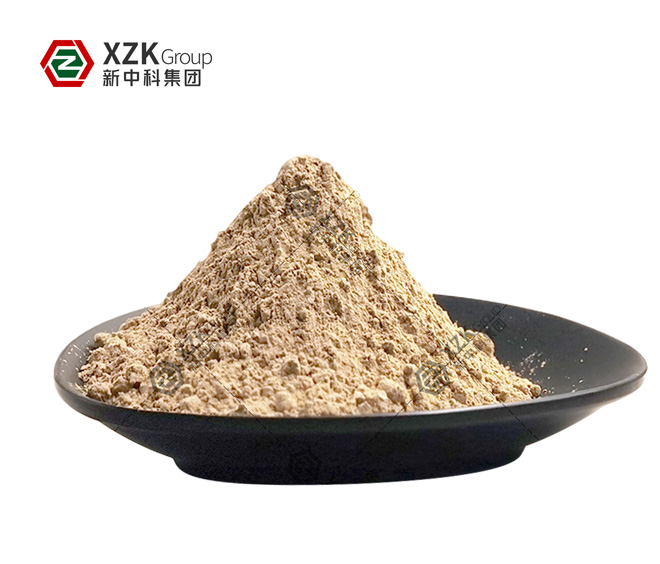
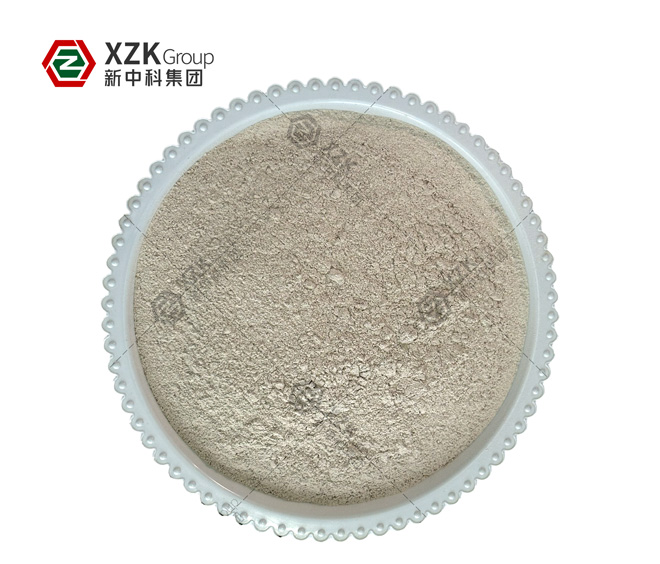
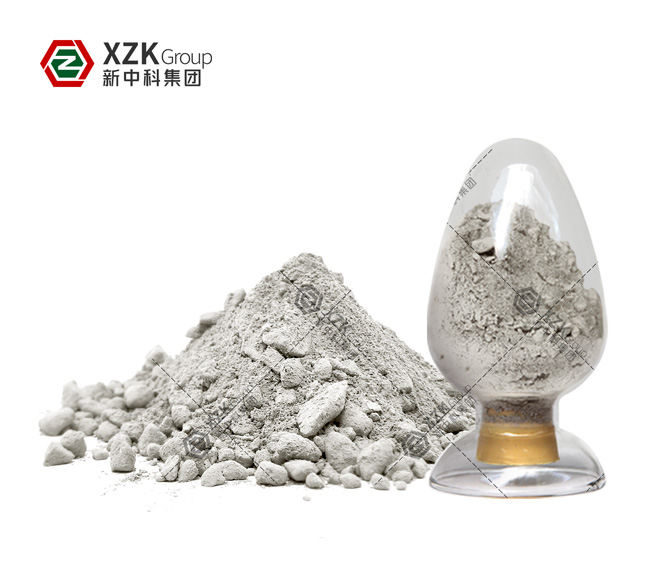
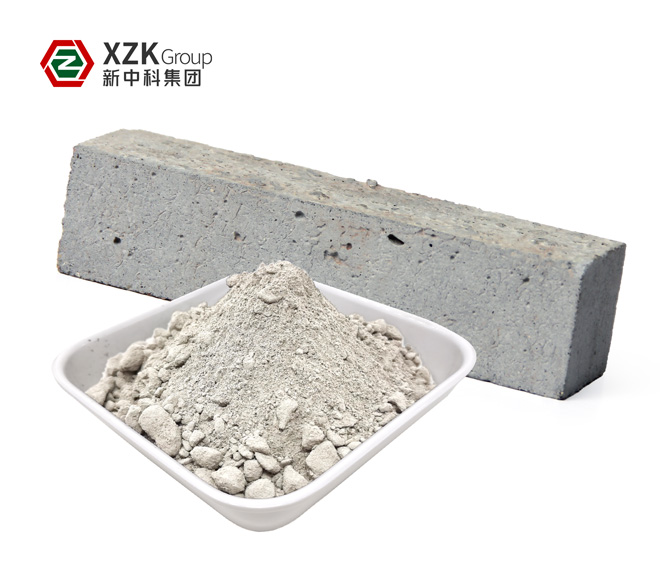
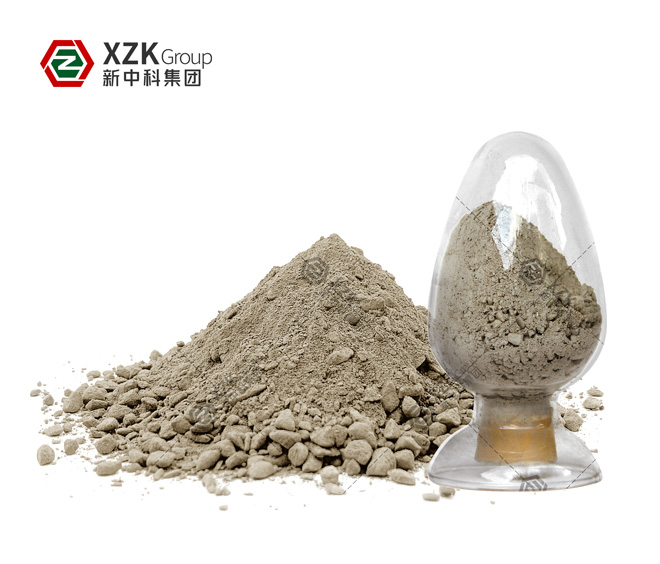
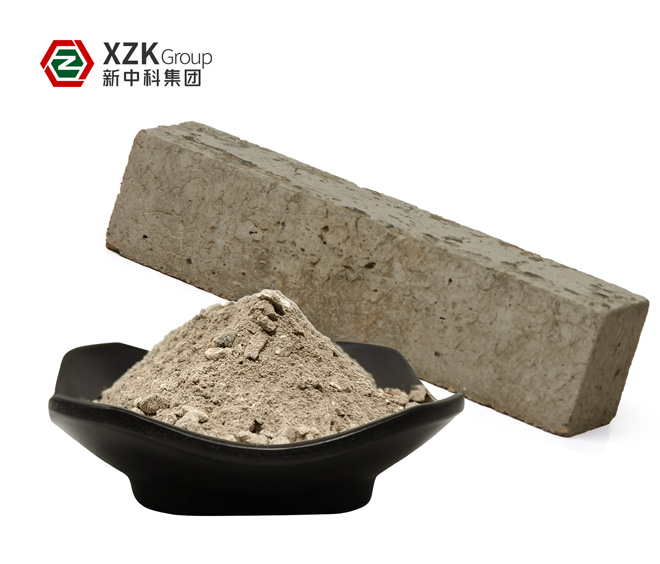
Refractory cement is the hydraulic binder used to make castables and refractory mortars, not a jointing material in its own right. It is a calcium aluminate cement, made by fusing or sintering limestone with bauxite, and it sets by hydration rather than by drying. Its alumina content, typically from about 50% up to 80%, sets how refractory the castable or mortar made from it will be.
XZK Group supplies refractory cement as part of its castable and mortar systems and as a stand-alone binder for customers who mix their own. It should not be confused with Portland cement, which has a far lower refractoriness.
What Is Refractory Cement?
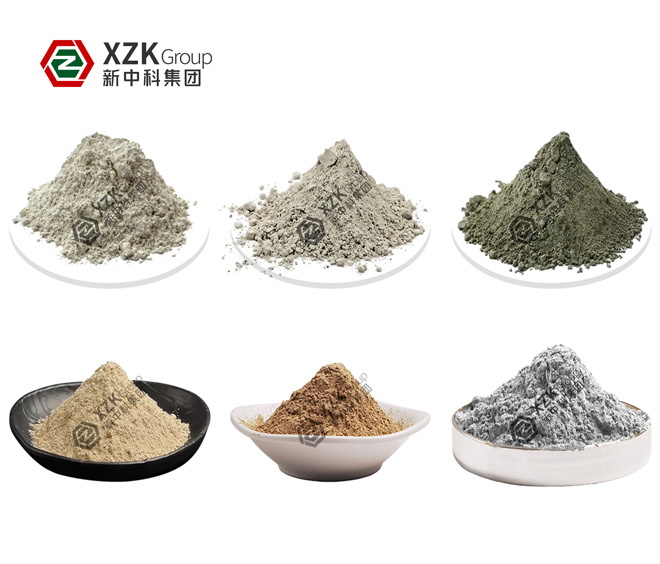
Calcium aluminate cement is produced from limestone and bauxite, either fused in an electric furnace or sintered in a rotary kiln, then ground fine. Its main phases, calcium monoaluminate, calcium dialuminate and C12A7, hydrate when mixed with water and give the castable its green strength before firing. The higher the alumina content, the more of the refractory calcium dialuminate phase and the fewer low-melting phases, so a CA-70 or CA-80 cement is used where the lining must reach a higher service temperature.
The cement is also the source of the lime that limits a castable's refractoriness. Every percent of cement brings CaO into the body, and CaO forms low-melting phases with silica and alumina at high temperature. This is why low-cement and ultra-low-cement castables exist: by cutting cement content to 5–8% or 2–4% and replacing some of it with silica fume and reactive alumina, the same refractoriness is reached with less lime, at the cost of tighter water control and a slower heat-up. Cement level also drives water demand, and more water means more porosity after drying.
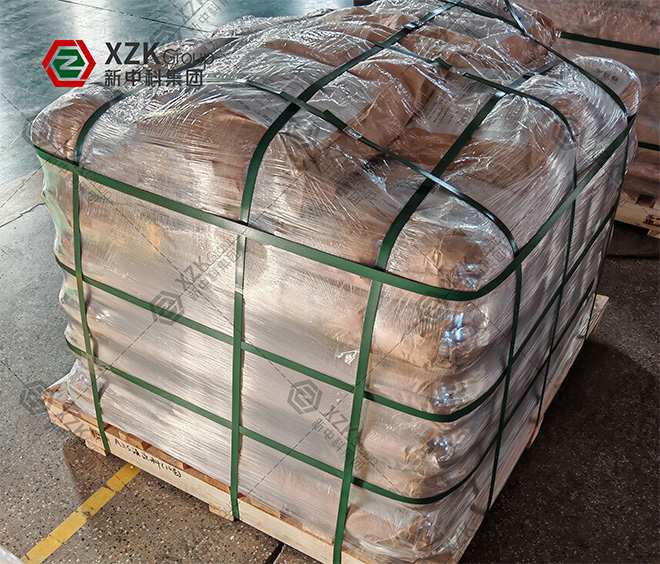
Handling is straightforward but strict. The cement is stored dry and used within its shelf life, because it takes up moisture from the air and loses strength. The water addition is measured, not judged, and the heat-up schedule is written to suit the cement level, since the hydrated phases dehydrate over a range of temperatures and release water as they do. Selecting a cement is therefore a question of matching its alumina content and setting behaviour to the castable or mortar that will be made from it.
Key Properties
- Type: calcium aluminate cement, a hydraulic binder, not a jointing mortar.
- Al2O3 content: typically about 50–80%, with higher alumina giving higher refractoriness.
- Setting: sets by hydration and gains green strength before firing; strength then develops as a ceramic bond.
- Role in a mix: binds aggregate and fines, and is the source of the lime that limits refractoriness.
- Water demand: higher cement content needs more water, which raises porosity after drying.
- Storage: keep dry and use within shelf life; moisture pickup reduces strength.








 WhatsApp
 WeChat
 WhatsApp
 WeChat