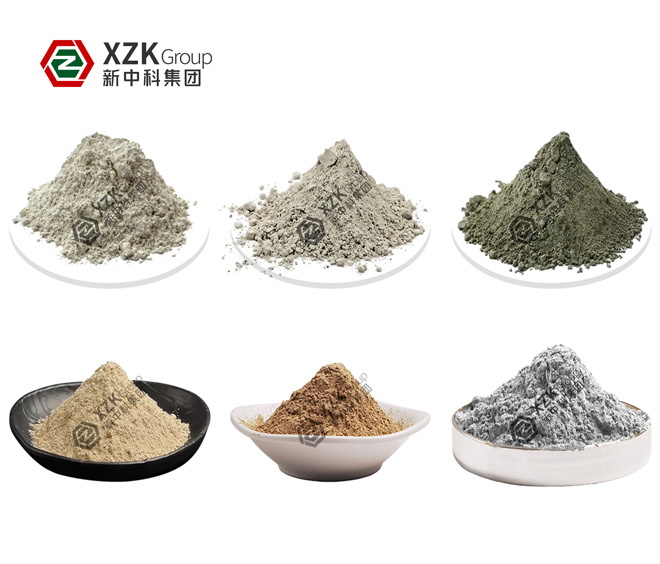
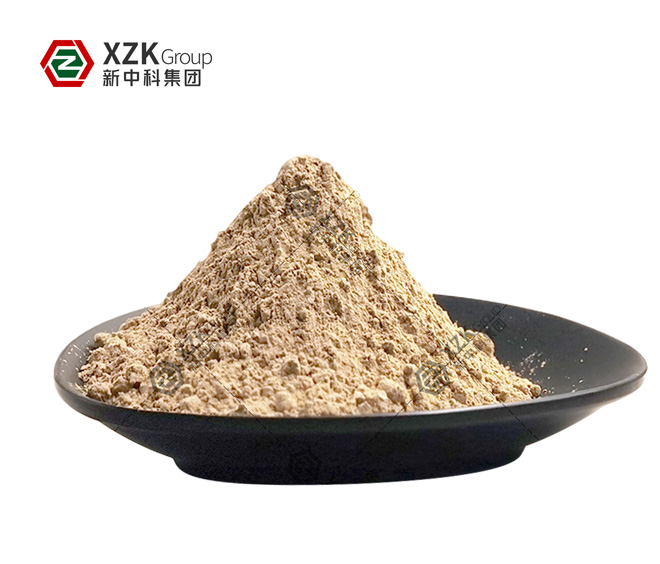
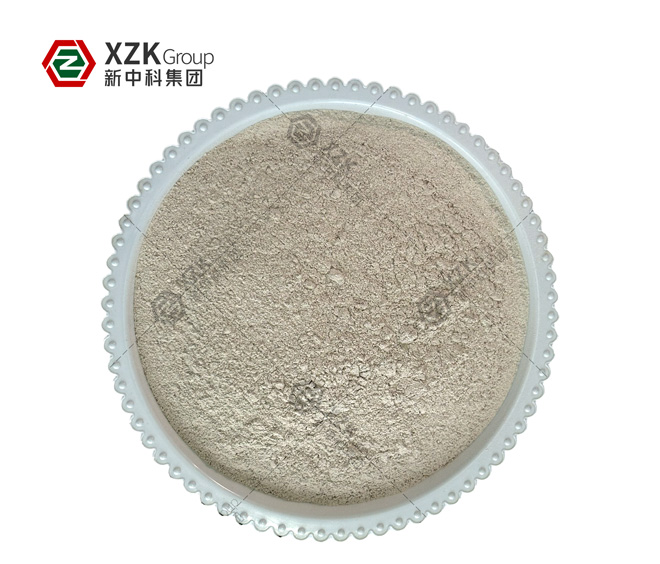
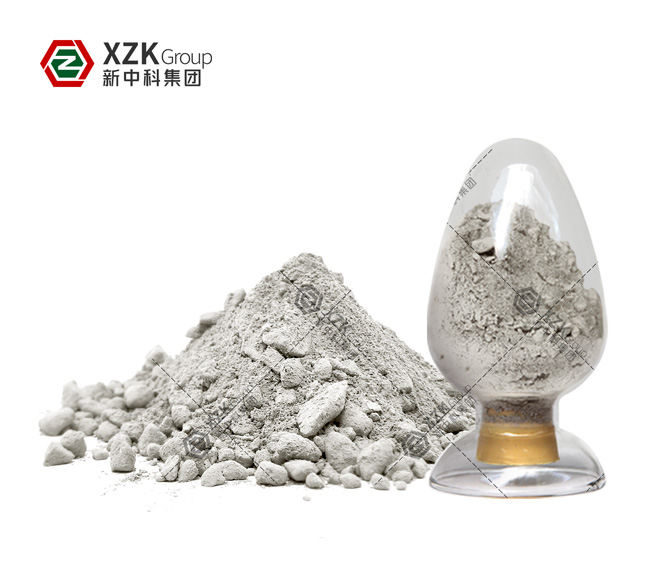
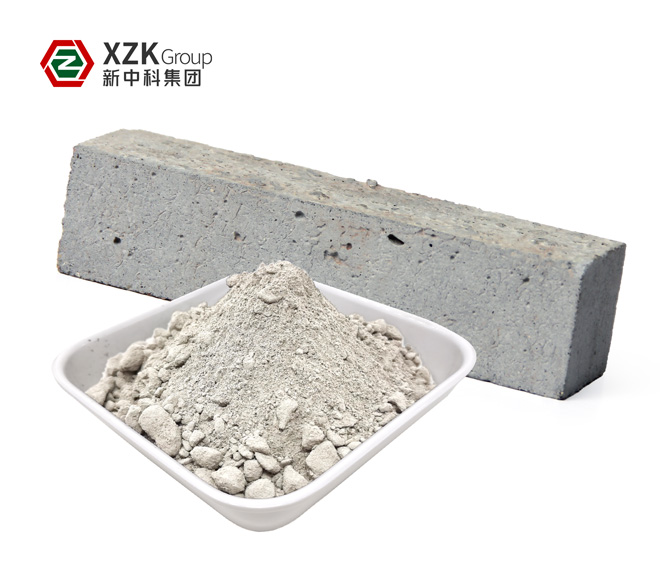
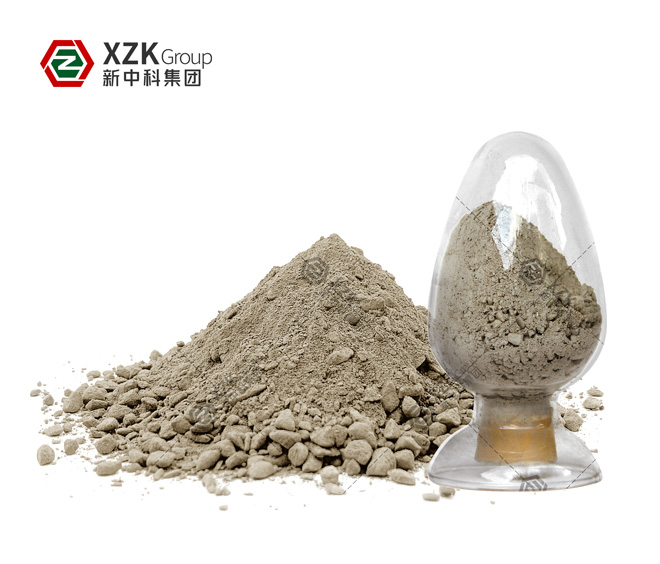
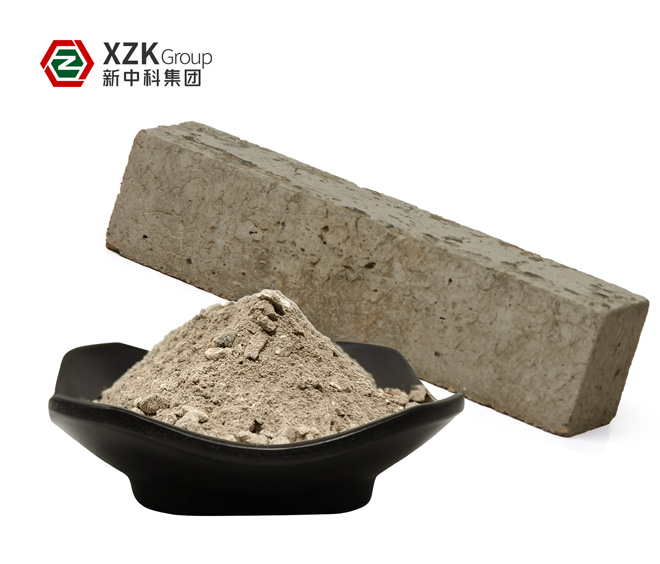
The ZKM series is XZK's ready-mixed refractory mortar for brickwork joints, supplied in two grades: ZKM1 with Al2O3 at 46% or more for fireclay and low-porosity clay brickwork to 1300°C, and ZKM2 with Al2O3 at 60% or more for high alumina, mullite and sillimanite brickwork to 1500°C. Flexural bond strength is 3.8 MPa and 4.5 MPa respectively.
Mortar is the weakest link in any brick lining, so the grade must match the brick it joins in chemistry, expansion and temperature. The ZKM series is formulated for exactly that match.
What Is the ZKM Series Refractory Mortar?
A refractory mortar is a fine-grained mix that bonds brick to brick across a thin joint, typically 1–3 mm. It is supplied as a dry powder to be mixed with water at the bricklayer's station. Unlike a castable, a mortar is not meant to carry load or to fill large gaps; it exists to hold a continuous, gas-tight joint that stays closed as the lining heats and cools. Because the joint is thin and small in volume, its properties have to be matched to the brick it sits between rather than chosen on their own.
ZKM1 is the clay-compatible grade. With Al2O3 at 46% or more, Fe2O3 at 1.0% or less and an operating temperature of 1300°C, it matches fireclay and low-porosity clay bricks of the same alumina class, and its flexural bond strength is 3.8 MPa or more. ZKM2 is the high-alumina grade: Al2O3 at 60% or more, Fe2O3 at 0.7% or less, an operating temperature of 1500°C and a flexural bond strength of 4.5 MPa or more. It is the grade specified against high alumina, mullite and sillimanite brickwork.
Application practice matters as much as the grade. The mortar grain size should suit the joint width, the water addition should be kept to the minimum that gives a workable consistency, and each brick should be fully bedded rather than spot-dipped, so there are no voids for gas to pass. The bond is largely heat-setting: strength develops as the lining comes up to temperature and the joint forms a ceramic bond, so the dry-out schedule has to be compatible with the brickwork around it.
Key Properties
- ZKM1: Al2O3 46% or more, Fe2O3 1.0% or less, operating temperature 1300°C, flexural bond strength 3.8 MPa or more.
- ZKM2: Al2O3 60% or more, Fe2O3 0.7% or less, operating temperature 1500°C, flexural bond strength 4.5 MPa or more.
- Joint thickness: normally 1–3 mm, with the grain size matched to the joint.
- Bond type: heat-setting ceramic bond that develops strength in service.
- Water addition: kept to the minimum that gives a workable mortar, to limit shrinkage and porosity.
- Compatibility: grade chemistry, expansion and temperature matched to the brick being laid.








 WhatsApp
 WeChat
 WhatsApp
 WeChat