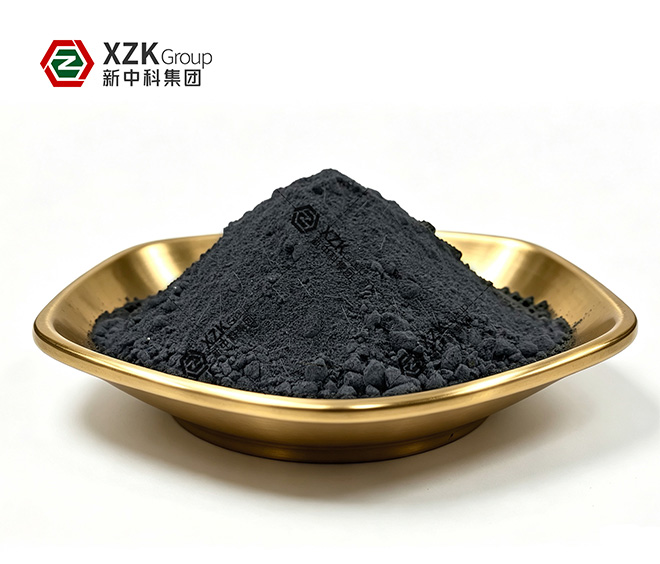
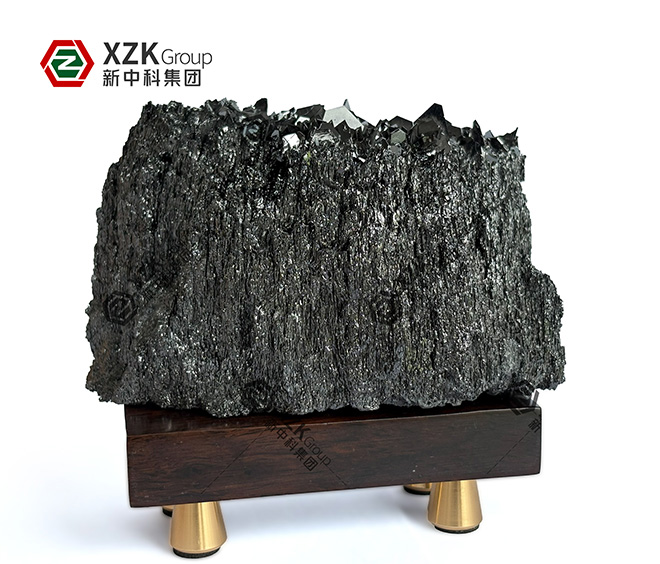
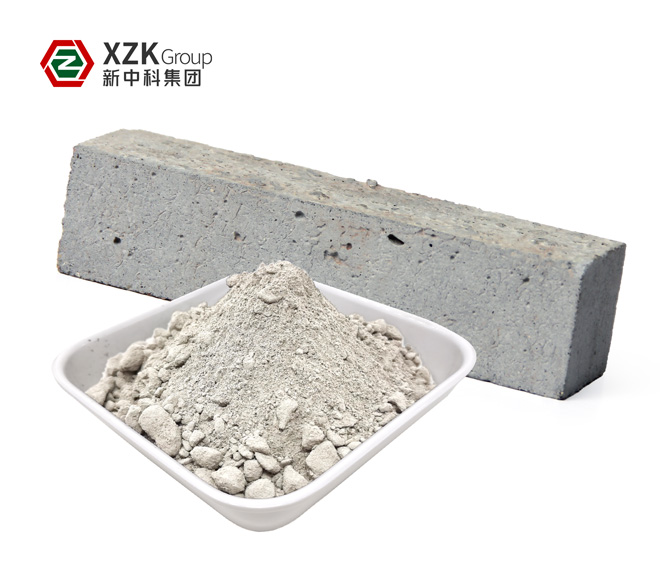
Silicon carbide castables combine SiC grain with a refractory bond to produce a lining that resists abrasion, thermal shock and alkali attack far better than an alumina castable of the same temperature class. The high thermal conductivity of SiC spreads heat quickly and limits hot-spot stress, which is why the material is specified around burners and in charging areas where mechanical wear is the dominant failure mechanism.
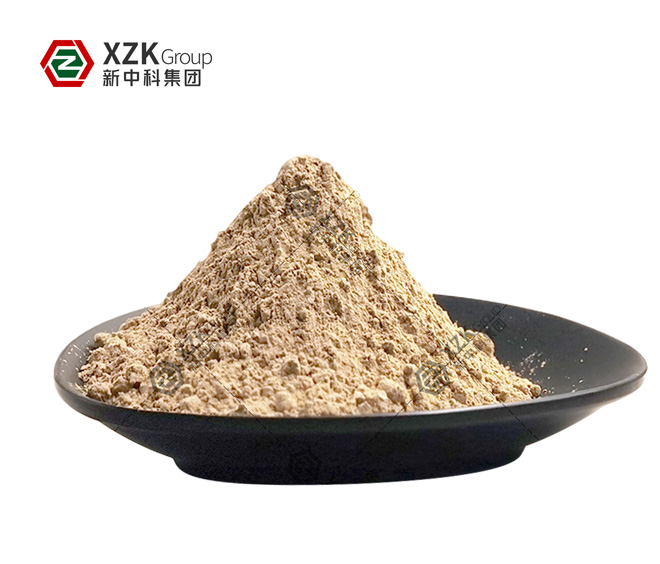
XZK Group supplies SiC castables with SiC content from roughly 40% to 75%. They are non-melt-contact materials: SiC reacts with glass and its carbon content can cause colour and seed defects, so it is used where the lining is attacked mechanically rather than brought into contact with the melt.
What Is a Silicon Carbide Castable?
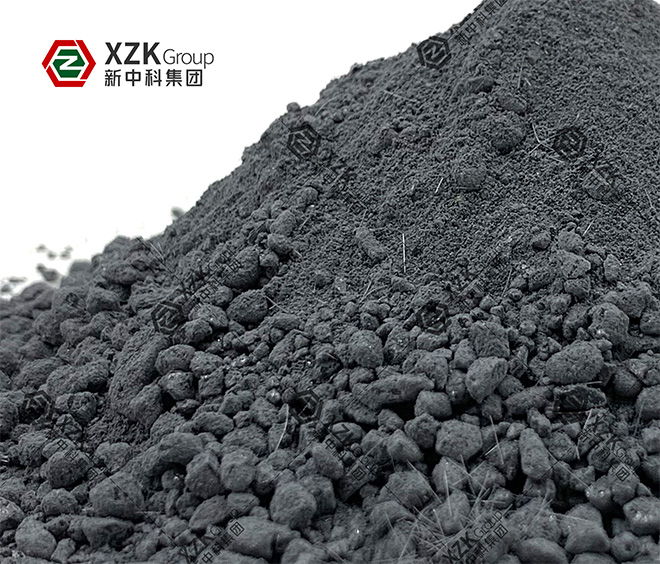
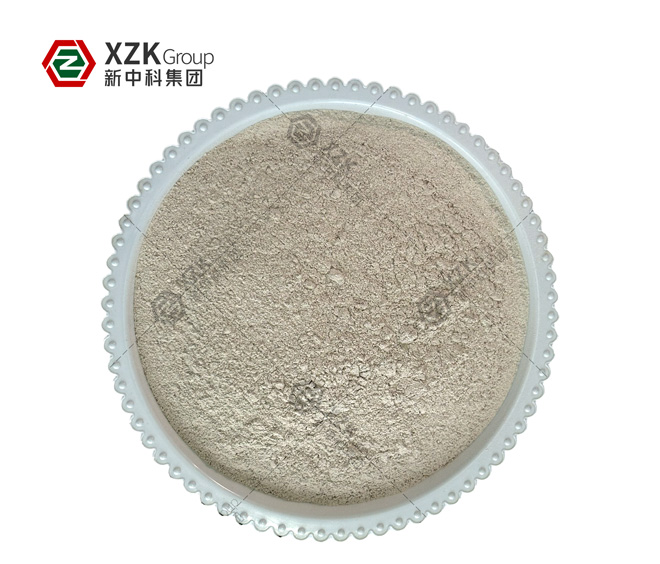
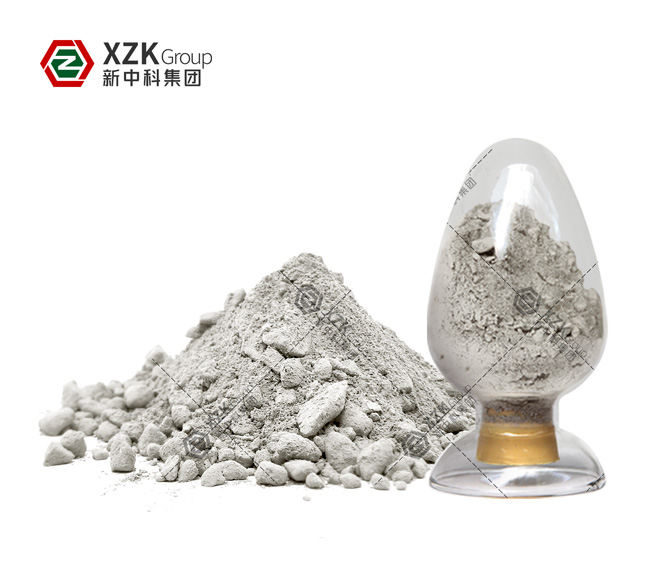
The body is built from graded SiC grain, usually up to about 5 mm, mixed with fines and bonded with calcium aluminate cement or, in higher-duty grades, a silica or silica-fume bond that reduces the lime content. Small additions of silicon metal or aluminium act as antioxidants. SiC is extremely hard and has a thermal conductivity several times that of dense alumina, so the castable conducts heat away from the hot spot instead of letting it build up.
In an oxidising atmosphere above roughly 1300°C, SiC oxidises and forms a thin silica skin that protects the grain beneath it; antioxidants support the formation of that protective layer and slow carbon loss. In contact with molten glass, however, SiC is chemically attacked and can release carbon into the melt, so it is never placed in the melt path. Its real strength is resistance to abrasion and to alkali vapour, both of which are mechanical or chemical problems rather than melt-contact problems.
Placement is similar to other castables, but because SiC conducts heat so readily the body heats through quickly and needs a measured dry-out rather than a long soak. The material is dense and hard, so formwork and mixing equipment wear faster than with an alumina mix, and the water addition must be held constant to keep porosity predictable.
Key Properties
- SiC content: about 40–75%, with higher SiC used where abrasion is most severe.
- Thermal conductivity: several times that of dense alumina, which limits hot-spot temperature and thermal stress.
- Abrasion resistance: very high, making it the material of choice for batch-charging and flame-scour zones.
- Alkali and slag resistance: good, with a protective silica layer forming in oxidising service.
- Thermal shock resistance: good, helped by high conductivity and a low-expansion grain.
- Limitation: not for glass or slag melt contact, where SiC is attacked and can release carbon.







 WhatsApp
 WeChat
 WhatsApp
 WeChat