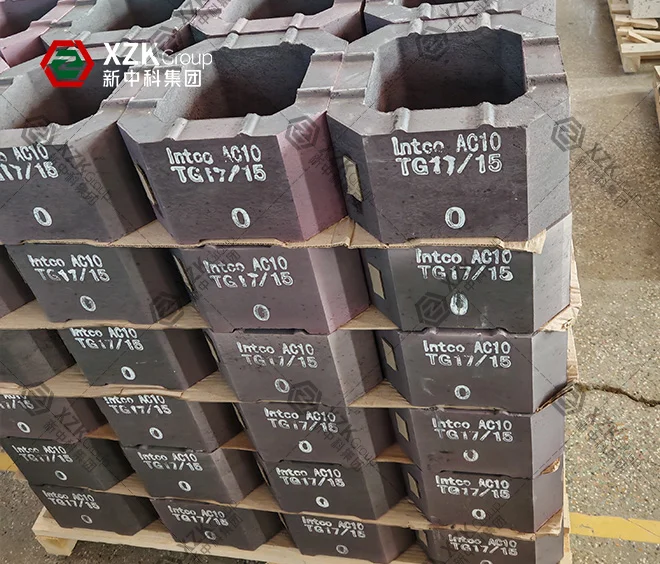
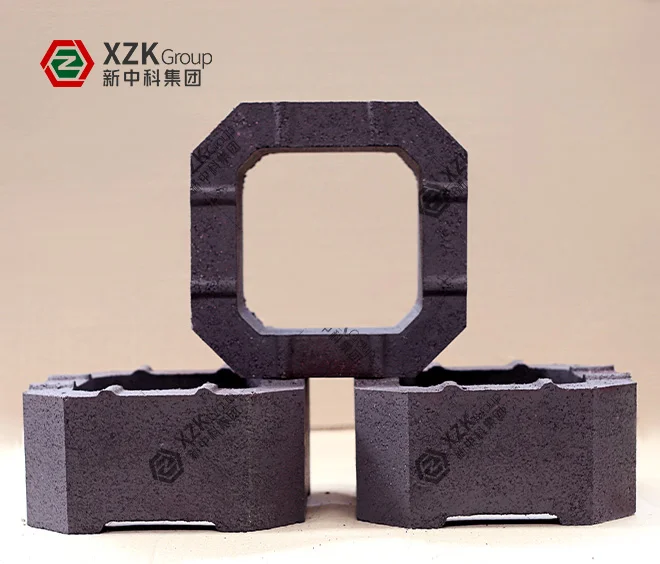
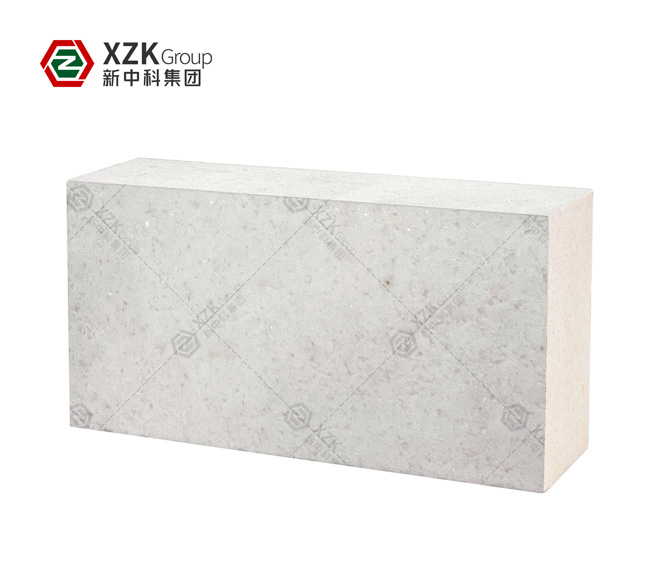
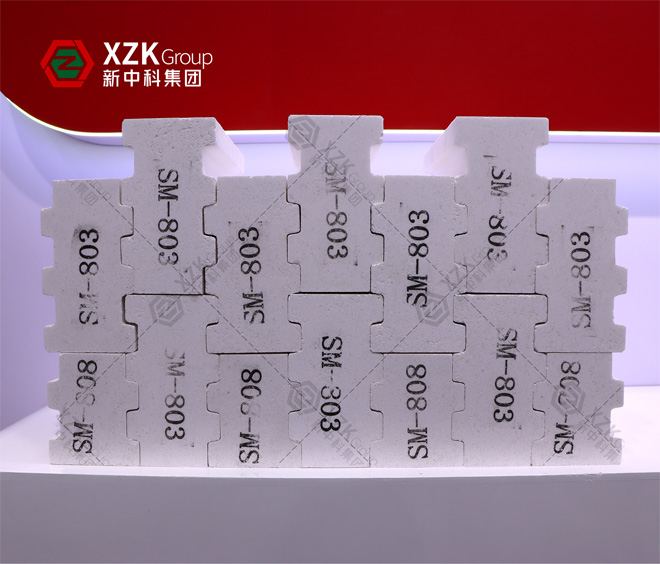
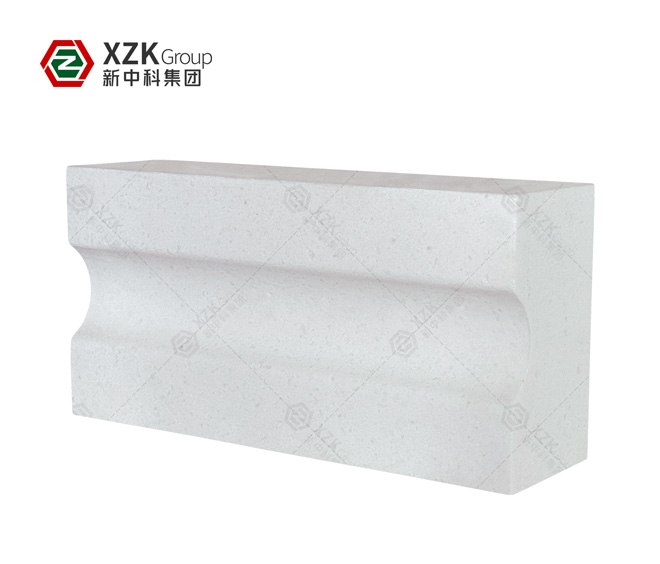
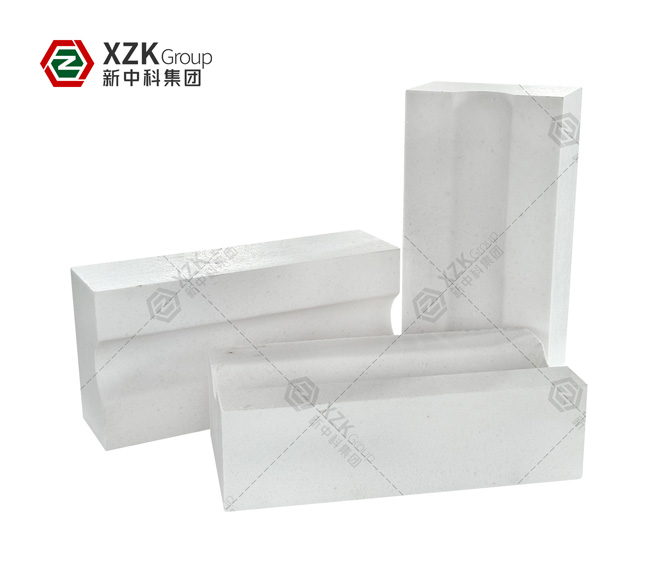
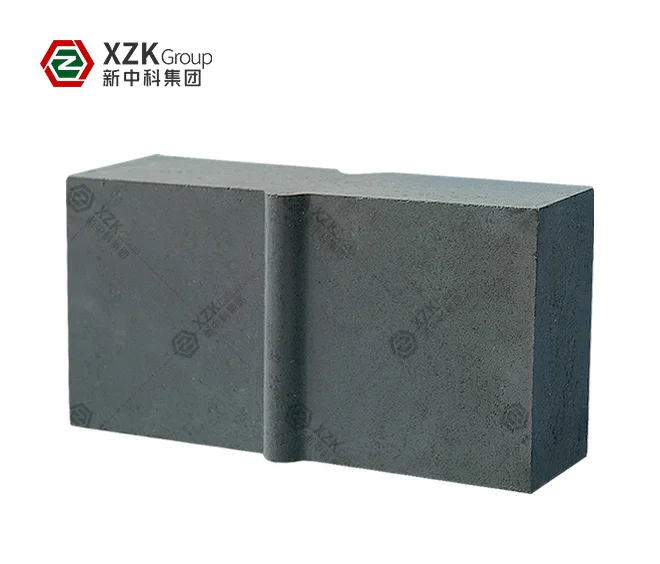
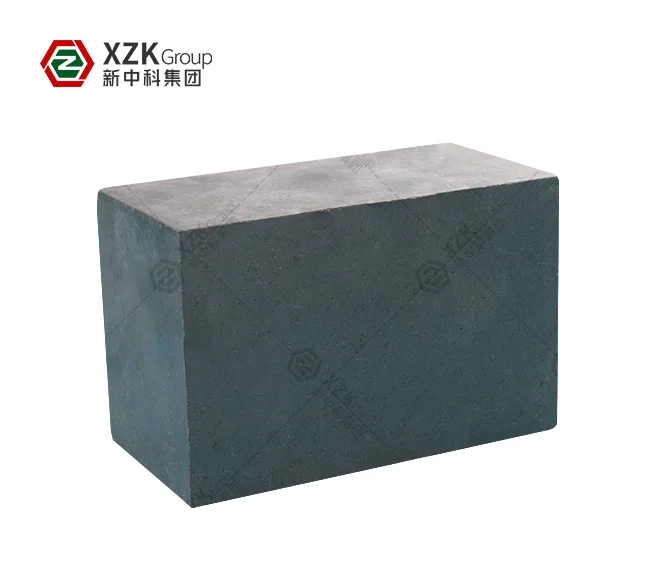
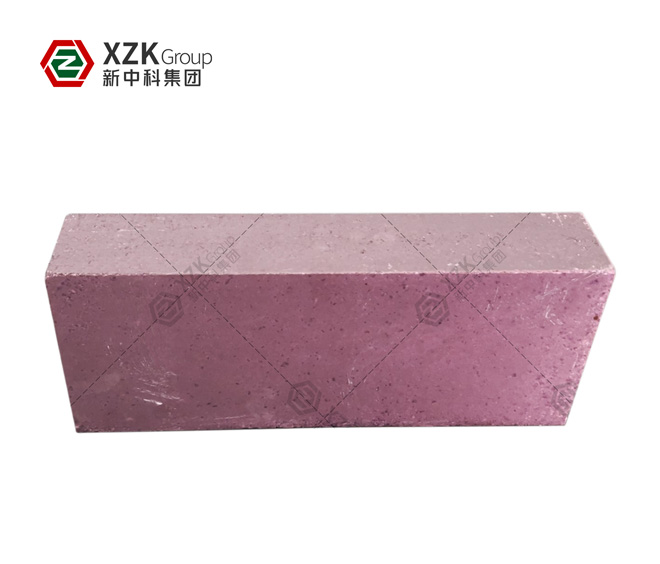
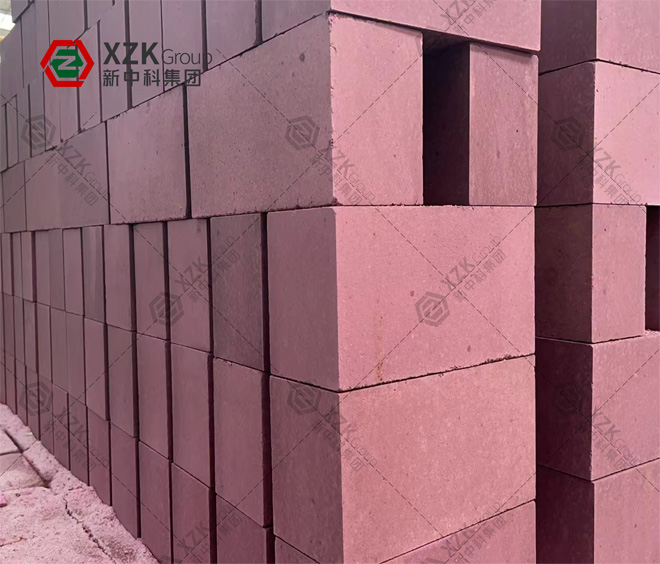
The cylindrical chrome corundum brick is a chrome corundum body pressed as a hollow cylinder instead of a rectangular block, and it is made specifically for regenerator checkerwork. The round section gives the regenerator stack a higher heat-exchange surface and a more open gas path, while the chrome corundum chemistry resists the alkali and sulphate attack that destroys softer checker materials in the condensation zone.
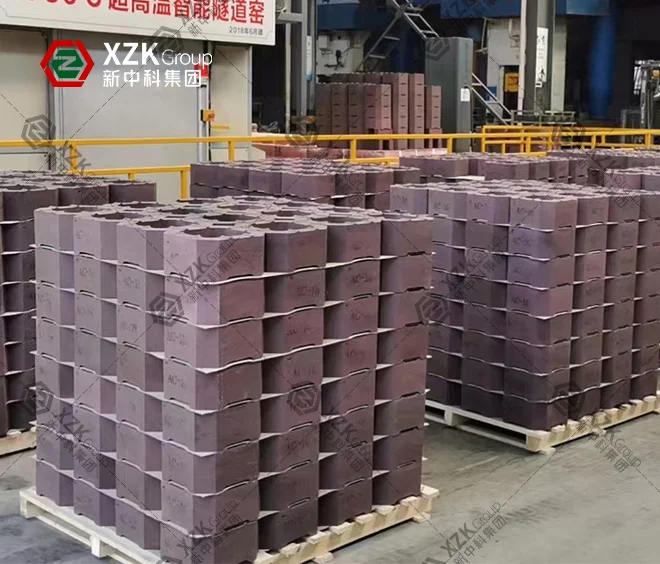
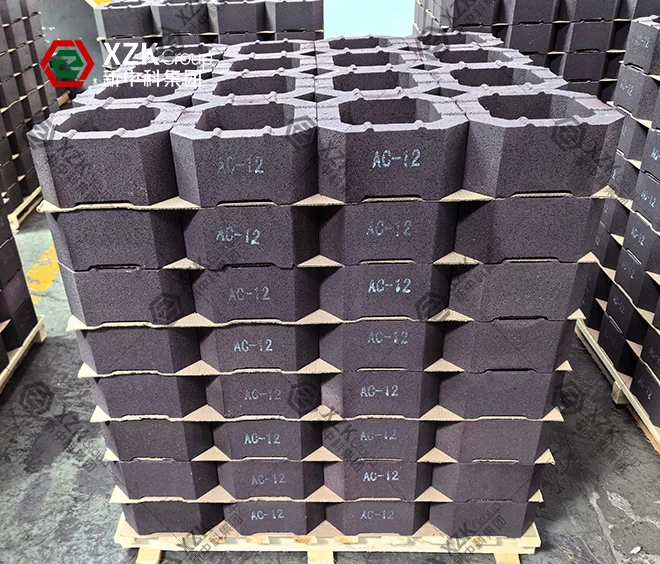
XZK produces cylindrical chrome corundum bricks in the same Cr2O3 ladder as our flat chrome corundum range — XZK-CC10, CC12, CC15 and CC30 — with the geometry adapted to the regenerator chamber and its zoning.
What Is a Cylindrical Chrome Corundum Brick?
A cylindrical checker brick changes the way gas moves through the regenerator. Gases pass around and through the cylinders instead of rising through straight vertical flues, so flow is distributed across the whole cross-section rather than channelling through the largest openings in the stack. The result is a more uniform temperature profile and steadier heat recovery, and an open structure that is slower to block when sulphate condensate or batch dust begins to accumulate between the bricks.
Because the wall section of a cylinder is thinner than the equivalent solid rectangular block, the shape is also more tolerant of thermal shock — which it needs to be, since the regenerator alternates between flue gas and combustion air every 20 to 30 minutes for the life of the campaign. The chrome corundum body supplies the chemical resistance. Chromia in solid solution in the corundum lattice holds the refractoriness under load above 1700°C, keeps cold crushing strength at 100 MPa or more, and resists the wetting and dissolution that sulphate condensates cause at the brick surface. Apparent porosity is held to 17% or below so that condensate cannot penetrate deep into the body.
Regenerator duty is zoned, and the cylindrical brick is placed to match. Above about 1100°C the checker faces thermal shock plus high-velocity alkali and batch dust. Between 800 and 1100°C, alkali vapour reacts with sulphur oxides to form sulphates that condense, expand and block the flues. Below 800°C the packing simply carries the accumulated dead weight of everything above it under continuous thermal cycling. Chromia content is raised as the condensation chemistry becomes more aggressive, and the cylindrical section keeps the whole bed open against the blockage that is the usual reason a regenerator loses performance before it loses structure.
Key Properties
- Cylindrical section for an open gas path, a higher heat-exchange surface per unit volume and less susceptibility to sulphate blocking than straight-flue checkerwork.
- Cr2O3 from 10% to 30% across the grades, matched to the temperature zone of the regenerator.
- Refractoriness under load ≥ 1700°C (0.2 MPa), keeping the brick stable in the sustained high-temperature cycling of the hot zone.
- Cold crushing strength ≥ 100 MPa, carrying the accumulated dead weight of the courses above in the lower stack.
- Thermal shock resistance ≥ 12 cycles (950°C air-cooled) for the CC10, CC12 and CC15 grades, sized to the reversal cycle of the furnace.
- Resistance to sulphate condensation damage from low porosity and low alkali wetting, extending the interval between regenerator clean-outs.







 WhatsApp
 WeChat
 WhatsApp
 WeChat