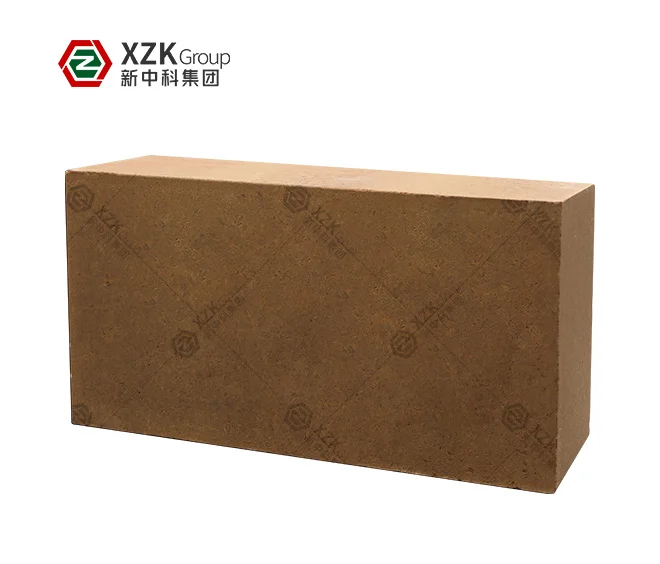
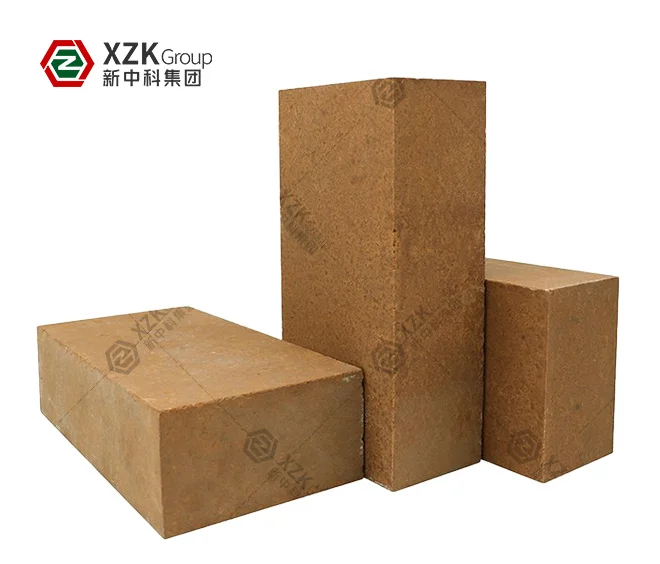
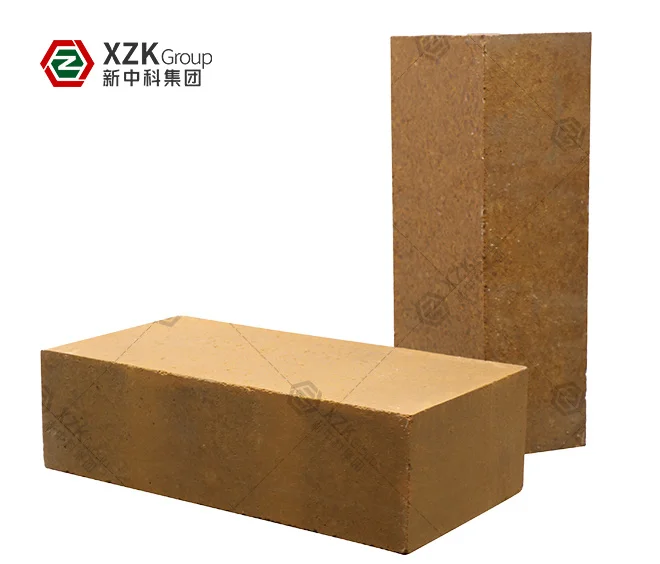
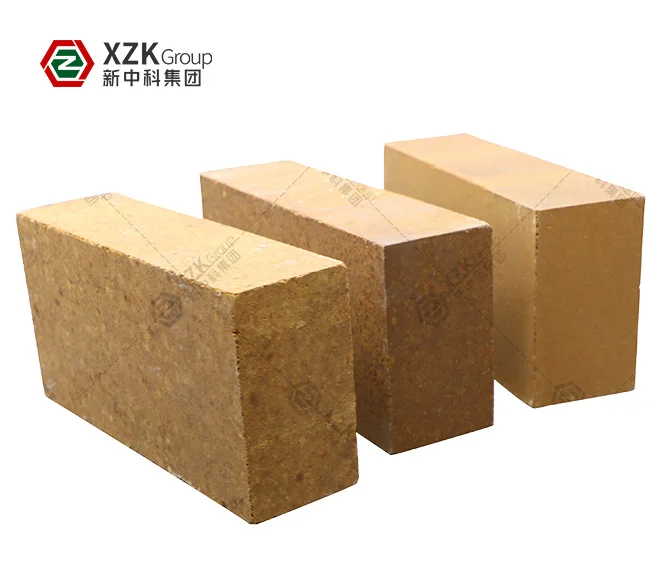
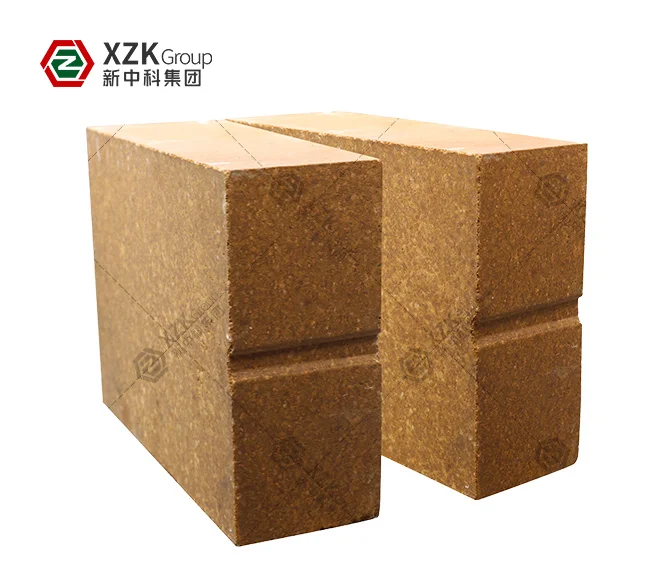
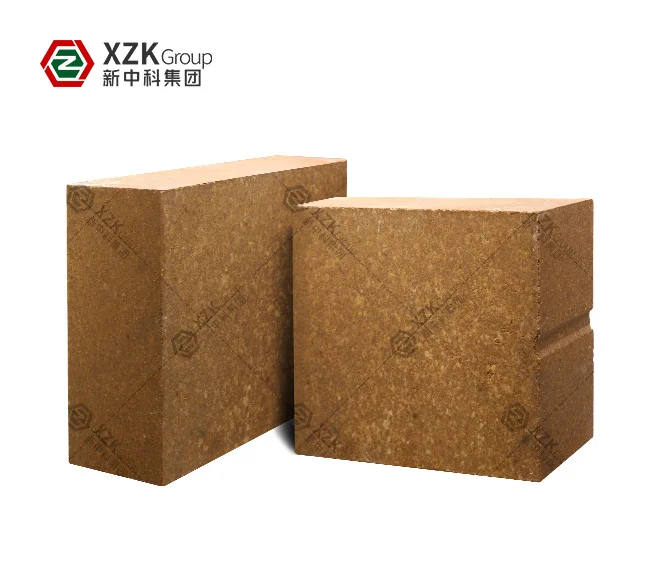
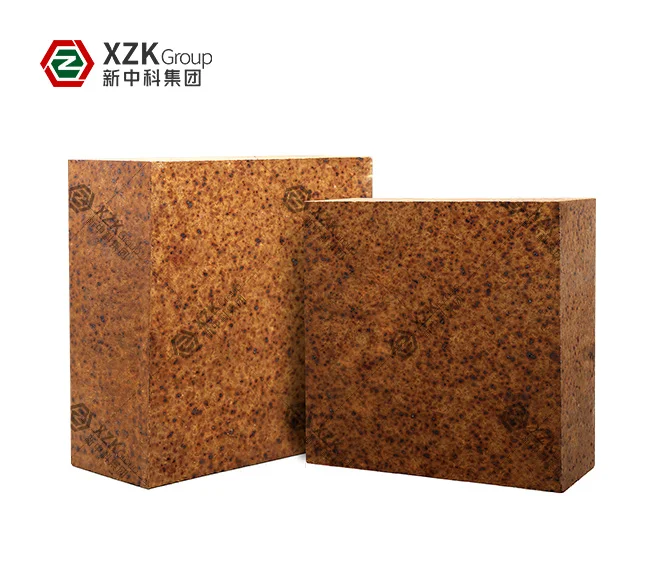
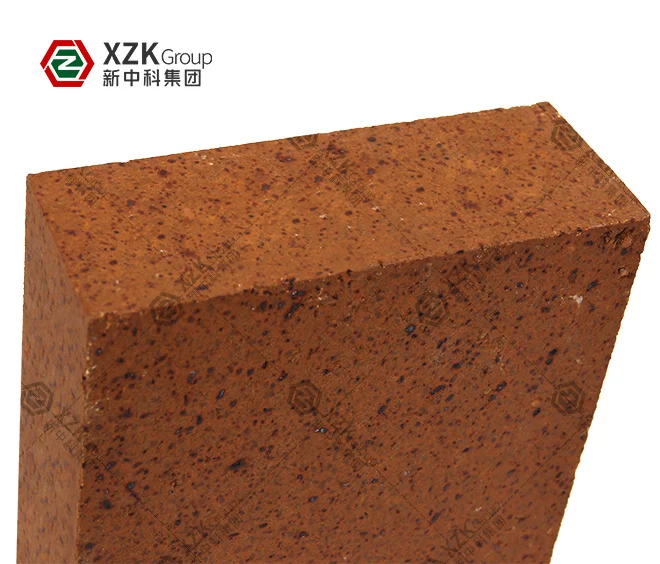
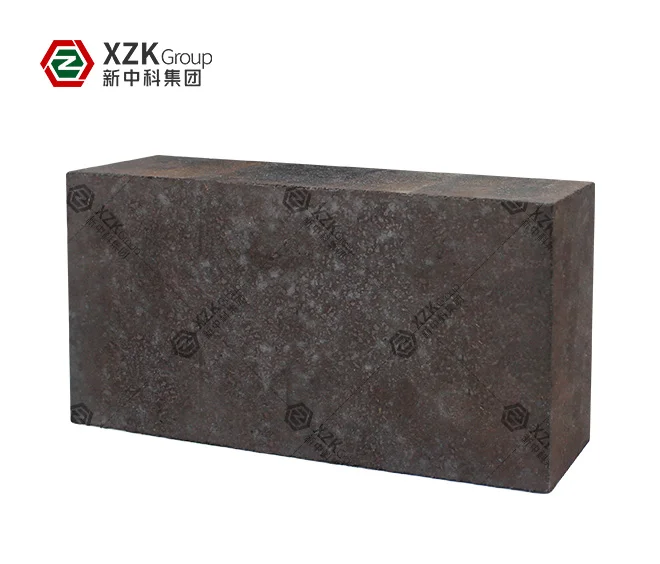
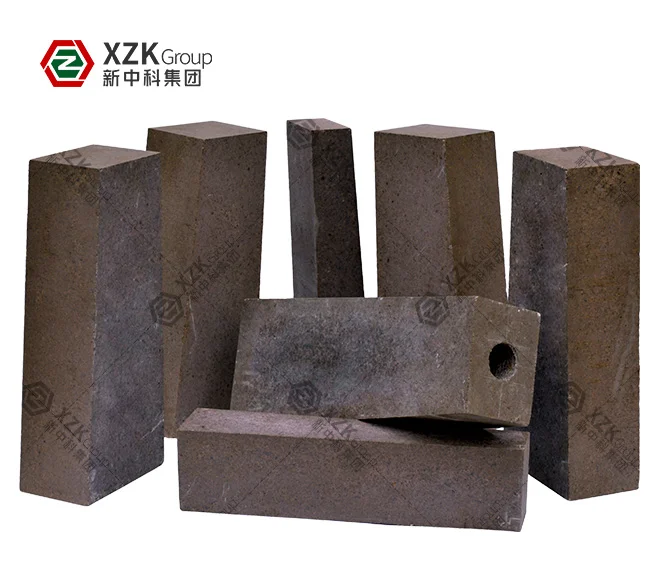
Magnesia bricks are made from high-purity sintered magnesia and fired to a direct periclase bond, giving the highest refractoriness and the strongest resistance to alkali of any material in the XZK magnesia range. Their weakness is thermal shock: magnesia expands more than most refractories when heated and cannot be cycled rapidly, so the brick is placed in stable, high-temperature zones rather than in positions that see reversal or steep gradients.
XZK Group supplies high-purity magnesia bricks with MgO content of 95% and above. In a glass furnace they are the top-course and hot-zone material in the regenerator, exactly where alkali attack and temperature are highest and the thermal regime is steady.
What Is a Magnesia Brick?
The brick is made from sintered magnesia of high purity, with the lime-to-silica ratio and the level of B2O3 and other fluxes held under close control, and fired at high temperature to develop a direct bond between periclase crystals. Periclase, the mineral form of MgO, melts at around 2800°C and is stable against alkali and iron oxides. Keeping the silicate and borate content low is what gives a magnesia brick its hot strength, because those fluxes form low-melting phases that soften the bond.
That chemical stability makes magnesia the reference material for the hottest, most alkali-laden part of a regenerator. In the top courses and hot zone the checkerwork meets flue gas carrying alkali vapour at the highest temperature in the chamber, and a high-purity magnesia brick resists both the chemistry and the heat. It also carries load well, which matters where the courses above press down on a structure that runs for years.
Thermal shock is the limitation. Magnesia has a relatively high coefficient of thermal expansion, so a brick that is cycled quickly or placed across a steep temperature gradient will crack. The material therefore belongs in a stable regime, and where cycling is unavoidable its place is taken by a spinel-bonded grade, whose microcracked spinel bond absorbs the thermal strain that would otherwise open a crack.
Key Properties
- MgO content: 95% and above in the high-purity grades.
- Bond: direct periclase-periclase bond, with low silica, lime and B2O3 to protect hot strength.
- Refractoriness: very high; periclase melts near 2800°C and the brick holds shape at extreme temperature.
- Alkali and iron oxide resistance: the strongest in the magnesia family.
- Thermal shock resistance: limited; the brick needs a stable thermal regime.
- Load capacity: high, which suits the load-bearing top courses of a regenerator.


 WhatsApp
 WeChat
 WhatsApp
 WeChat